
What Are Incentive Trips? Benefits & Why Employees Love Them


Understanding what incentive trips are and why they work helps organizations unlock one of the most powerful employee motivation strategies available. Incentive trips are company-sponsored travel rewards that recognize exceptional performance through memorable experiences rather than traditional bonuses. While cash gets spent and forgotten, and plaques gather dust, these corporate incentive trips create lasting memories, build relationships that transcend job descriptions, and motivate performance long after everyone returns home. These strategic travel experiences have evolved from simple sales perks into sophisticated tools for driving results, strengthening culture, and showing employees their extraordinary efforts deserve extraordinary recognition.
Key Takeaways
- Programs are company-sponsored travel experiences rewarding top performers for exceptional achievements, typically lasting 3-5 days at desirable destinations
- These programs increase motivation (96% of employees cite travel as motivating), boost sales productivity by up to 18%, and improve retention rates significantly
- Corporate these programs create "special clubs" that employees aspire to join, building camaraderie and shared experiences that strengthen organizational culture
- Unlike cash rewards that disappear quickly, travel experiences generate lasting memories and sustained motivation extending well beyond the trip itself
- Programs work across departments but prove particularly effective for sales teams, executives, channel partners, and groups with measurable performance metrics
What Is an Incentive Trip?

An incentive trip is a company-funded travel experience offered as a reward for employees, partners, or customers who achieve exceptional performance or reach specific goals. Unlike standard business travel focused on meetings and client work, these trips prioritize celebration, relationship-building, and creating memorable experiences that recognize outstanding contributions.
Most programs span 3-5 days at appealing destinations—think tropical resorts, European cities, luxury cruises, or adventure locations. The company covers major expenses including airfare, accommodations, meals, and planned activities, though some programs structure partial coverage depending on budget and objectives.
What distinguishes company incentive trips from standard corporate travel is their purpose and design. While business trips center on work deliverables, incentive travel focuses on rewarding achievement, fostering team bonds, creating shared experiences, and providing well-deserved breaks from daily routines. The itinerary balances organized group activities with substantial free time, allowing participants to explore destinations at their own pace.
These programs typically target top performers—sales leaders exceeding quotas, teams crushing project goals, long-tenured employees marking milestone anniversaries, or partners driving significant business growth. The selective nature creates aspirational value, motivating broader teams to elevate performance hoping to earn future inclusion.
The Psychology Behind Why Incentive Trips Work
What makes incentive trips so effective compared to traditional rewards? The answer lies in human psychology and how we process different types of recognition.
Experiences Trump Material Rewards
Research consistently shows people derive more lasting satisfaction from experiences than possessions. A study by the Incentive Research Foundation found 91% of sales professionals consider group incentive travel "extremely" or "very" motivating—far exceeding response rates for cash bonuses or merchandise. The anticipation builds motivation before trips, the experience creates joy during, and memories provide ongoing satisfaction afterward.
Cash bonuses, while appreciated, get absorbed into regular expenses or savings accounts. Within weeks, recipients struggle to recall what they purchased with the money. Travel experiences, conversely, generate stories shared for years. Participants remember the sunset dinner, the team adventure activity, the conversation with leadership—moments creating emotional connections to their achievements and employer.
The "Special Club" Effect
Incentive trips create exclusivity that amplifies motivation. As industry experts note, these programs establish "special clubs" that employees become aware of and increasingly want to join. The social recognition of being selected—not just the trip itself—drives significant motivational value.
This dynamic works even for employees not yet qualifying. They witness returning travelers sharing photos and stories, creating an aspirational desire to reach the performance levels required for next year's trip. The program becomes part of company lore, with past destinations and legendary moments building mythology around the reward.
Shared Experiences Build Lasting Bonds
Corporate incentive trips bring together top performers from different regions, departments, or teams. The shared travel experiences create relationships impossible to forge through email, video calls, or even standard office interactions. Participants build camaraderie during group activities, form friendships during free time, and develop professional networks extending beyond the trip.
These connections yield tangible business benefits—better cross-team collaboration, knowledge sharing, mentorship relationships, and strengthened organizational culture. The bonding doesn't just feel good; it improves how people work together afterward.
Access to Leadership
Many programs include social interactions with senior executives—dinners, activities, or informal conversations difficult to arrange otherwise. For top performers, these face-to-face encounters with leadership provide recognition at the highest levels, opportunities to share ideas directly, insight into company vision and strategy, and relationships advancing careers.
The value of senior leaders dedicating time during these trips signals how much the organization values top performers' contributions, reinforcing motivation far beyond any monetary reward.
What Corporate Incentive Trips Typically Include

While program itineraries vary based on budget, destination, and company culture, most successful experiences share common elements balancing structure with flexibility.
Premium Accommodations for Reward Travel
Programs typically feature upscale hotels, resorts, or unique properties reflecting the reward's significance. Four- or five-star accommodations, properties with exceptional amenities like spas and pools, locations offering stunning views or beach access, and comfortable spaces for both relaxation and socialization communicate that participants have earned something special.
The accommodations themselves become part of the experience rather than just places to sleep between activities.
Organized Group Activities
Itineraries include curated experiences bringing participants together while showcasing the destination. Popular options include team-building adventures (scavenger hunts, cooking classes, outdoor challenges), cultural experiences (guided tours, local entertainment, culinary events), recreational activities (golf, water sports, wellness programs), and celebratory dinners recognizing achievements formally.
These organized elements ensure shared experiences that participants discuss long after returning home.
Substantial Free Time
The most successful programs balance planned activities with generous blocks of unscheduled time. This allows participants to explore independently, relax at their own pace, connect one-on-one with colleagues, and truly decompress from work stress.
Over-programming feels like work rather than reward. The best itineraries might schedule activities for 40-50% of waking hours, leaving the remainder for personal choice.
Meals and Entertainment
Most experiences cover breakfast daily, several group dinners at quality restaurants, some lunches (especially around activities), welcome receptions, and farewell celebrations. These shared meals facilitate conversation, create community, and eliminate financial stress allowing participants to focus on enjoying themselves.
Recognition Elements
While avoiding excessive formality, programs typically incorporate recognition moments like welcome speeches acknowledging achievements, small awards or mementos commemorating the trip, group photos, and informal toasts during dinners. These elements ensure participants understand they're present because they earned it, not just enjoying a free vacation.
Optional Work Component
Many programs include light professional development or business content—perhaps a keynote speaker, company update session, strategic planning discussion, or brief workshops. These components typically occupy just a few hours across multi-day trips, maintaining the reward feel while providing value for the business investment.
Tangible Benefits of Incentive Trip Programs
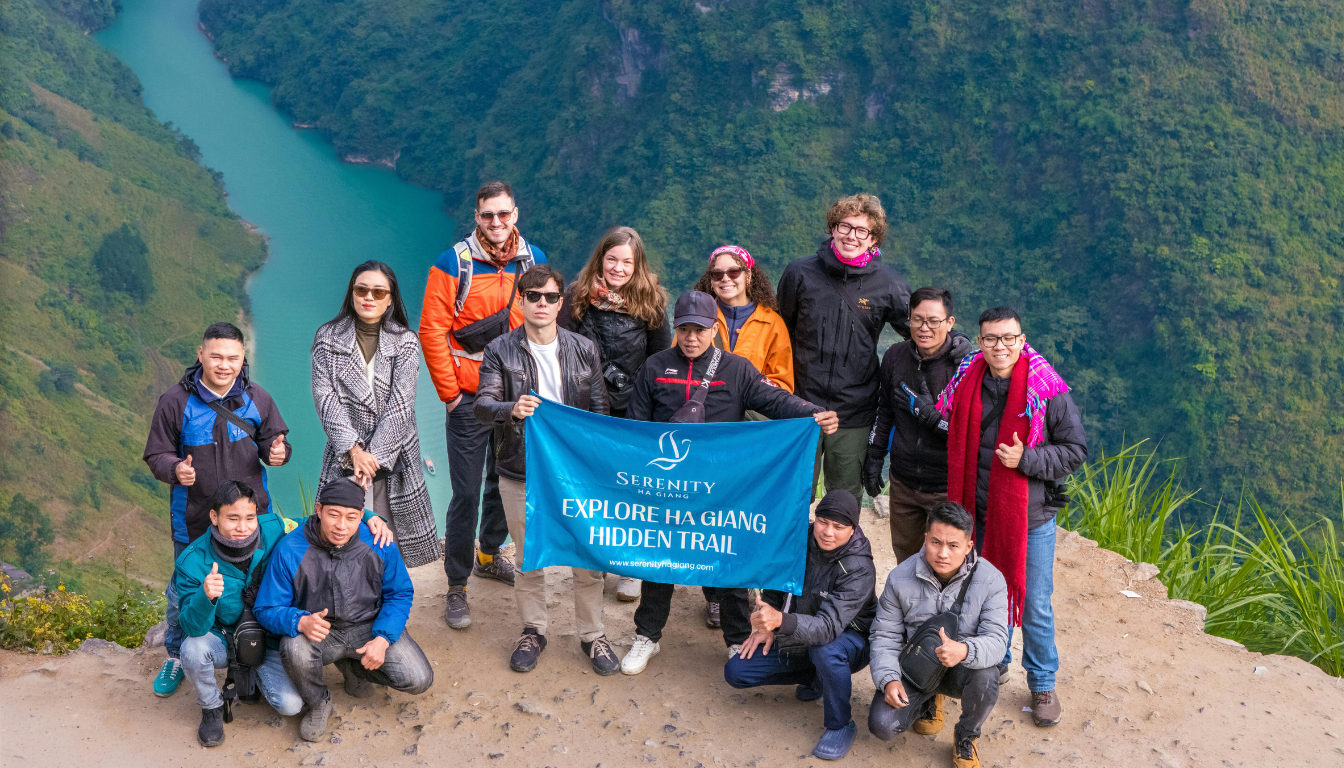
Organizations implementing travel rewards report measurable impacts extending far beyond the immediate costs.
Increased Sales and Productivity
Companies consistently see performance improvements from incentive travel programs. Research shows 80% of organizations report increased sales or profits as the most important benefit, 18% average improvement in sales productivity, and 22% performance gains among participants versus non-participants. These metrics demonstrate clear ROI justifying program investments.
The motivation kicks in well before trips occur—employees push harder knowing the reward awaits achievement.
Enhanced Employee Retention
Organizations with strong recognition programs, particularly those involving incentive travel, reduce turnover significantly. Top performers feeling valued stay longer, replacement costs decrease, and institutional knowledge remains within the company. The retention value compounds over time as programs become established parts of company culture.
Improved Morale and Job Satisfaction
Programs signal that companies value work-life balance, recognize extraordinary effort meaningfully, and invest in employee happiness. This boosts overall morale even among those not yet qualifying, as it demonstrates achievable aspirations and organizational commitment to recognition.
Studies show 72% of workers consider work-life balance very important when choosing employers. Offering travel rewards addresses this priority directly.
Strengthened Company Culture
Shared experiences during programs create cultural touchstones—inside jokes, legendary moments, and collective memories that strengthen organizational identity. Participants return energized and more connected to company mission and values, spreading positive sentiment throughout broader teams.
Better Team Collaboration
Relationships formed during programs improve cross-functional collaboration afterward. When teams from different regions know each other personally, they communicate more effectively, trust increases, and silos diminish. The networking value alone often justifies program costs.
Who Benefits Most from Incentive Trips

While any organization can implement programs, certain groups see particularly strong results.
Sales Teams
Incentive trips originated as sales team rewards for proven reasons—performance is easily measurable through quotas and revenue, competition is inherent to sales culture, and teams are accustomed to goal-oriented compensation. Sales organizations remain the primary users of these programs, often creating tiered systems where top performers earn premier experiences while secondary tiers receive alternative rewards.
Executive and Leadership Teams
Many companies offer exclusive executive experiences rewarding senior leadership performance, providing strategic planning time away from offices, and creating leadership cohesion. These high-touch programs often feature luxury destinations and exceptional amenities reflecting participants' organizational importance.
Channel Partners and Distributors
Programs aren't limited to employees. Many organizations reward external partners—distributors exceeding sales targets, dealers growing market share, or agents achieving quality metrics. These programs strengthen business relationships, increase partner loyalty, and drive channel performance.
Customer Loyalty Programs
Some companies offer travel incentives to customers who reach purchase thresholds, refer new business, or demonstrate exceptional loyalty. While less common than employee programs, customer travel rewards can strengthen retention and advocacy.
Cross-Functional Teams
Forward-thinking organizations expand programs beyond sales to recognize product development teams, customer service excellence, operational efficiency gains, or marketing campaign success. This broadens motivation across departments, recognizes diverse contributions, and builds inclusive cultures.
Why Incentive Trips Outperform Other Rewards
When comparing recognition options, travel rewards consistently deliver superior results. Here's why they eclipse alternatives.
Versus Cash Bonuses
Money is appreciated but quickly absorbed into bills, savings, or forgotten purchases. Cash lacks the emotional resonance of experiences. Travel creates lasting memories, generates anticipation and excitement, provides social recognition publicly, and builds relationships cash cannot. While bonuses have their place, they don't inspire the same sustained motivation.
Versus Gift Cards or Merchandise
Physical items feel transactional rather than personal. A luxury watch or electronics package, while valuable, doesn't create the shared experiences that build teams. Merchandise also risks missing individual preferences—what excites one person disappoints another. Travel offers universal appeal while allowing personalization through free-time choices.
Versus Extra Paid Time Off
Extra vacation time is valued, but employees often struggle to use it due to workload pressures. When they do take it, they pay all costs themselves, potentially causing financial stress. Company-sponsored trips remove financial barriers, create shared experiences with colleagues (rather than solo time off), and ensure people actually disconnect and enjoy the reward.
Versus Public Recognition Alone
Awards, plaques, and verbal recognition matter, but their impact fades quickly. Combining recognition with travel rewards makes the acknowledgment tangible and memorable. The trip becomes a physical manifestation of appreciation that extends recognition from a single moment to days of celebration.
Summary
Incentive trips represent one of the most effective tools organizations have for motivating exceptional performance, rewarding achievements meaningfully, and building cultures where people feel genuinely valued. These company-sponsored travel experiences work by tapping into fundamental human desires for novel experiences, social recognition, and relationships transcending transactional workplace dynamics.
What defines corporate incentive trips at their core is that they're investments in people demonstrating that extraordinary effort deserves extraordinary recognition—not just financially, but experientially and emotionally. The measurable benefits including increased sales, improved productivity, enhanced retention, and strengthened collaboration justify the investment many times over, while intangible returns like loyalty earned, culture strengthened, memories created, and motivation sustained long after participants return to daily work matter just as much.
Employee incentive trips aren't luxurious indulgences or unnecessary extravagances—they're strategic business tools delivering ROI through multiple channels simultaneously. Organizations serious about performance, retention, and culture should consider how incentive travel programs might enhance recognition strategies and reward the people driving their success.
Ready to bring an incentive trip to life? Seeour guide to choosing the right incentive travel company for your program.
FAQs
- What are incentive trips and how do they work?

Programs are company-funded travel experiences rewarding employees, partners, or customers for exceptional performance or achievement of specific goals. Companies establish qualifying criteria—typically sales quotas, revenue targets, project milestones, or tenure benchmarks—and employees who meet or exceed these standards earn trip inclusion. The company covers major expenses including transportation, accommodations, meals, and planned activities, typically for 3-5 days at desirable destinations. Trips balance organized group activities fostering team bonds with substantial free time allowing personal exploration. Unlike business travel focused on work deliverables, these experiences prioritize celebration, relationship-building, and creating memorable moments that recognize outstanding contributions.
- Why are incentive trips more effective than cash bonuses?
Incentive trips create lasting emotional connections that cash bonuses cannot match. While money gets absorbed into regular expenses or savings and forgotten within weeks, travel experiences generate stories and memories lasting years. Research shows 96% of employees cite travel as motivating versus lower response for cash. Travel offers anticipation building motivation before trips, enjoyment during experiences, and sustained satisfaction through memories afterward. The social recognition of being selected—not just the reward itself—provides significant motivational value. Shared experiences during programs build team relationships and organizational bonds that purely financial rewards never create. Additionally, the "special club" exclusivity of qualifying for trips motivates broader teams to elevate performance hoping to earn future inclusion.
- Who typically qualifies for corporate incentive trips?
Qualification criteria vary by company and program objectives. Most commonly, top-performing sales professionals who exceed quotas or revenue targets earn trips, though forward-thinking organizations expand programs to recognize diverse contributions. Other qualifying groups include executives and senior leaders for strategic performance, teams completing major projects ahead of schedule or under budget, long-tenured employees marking milestone anniversaries (10, 15, 20 years), customer service teams achieving exceptional satisfaction scores, channel partners or distributors growing business significantly, and occasionally valued customers demonstrating loyalty. Some companies use tiered systems where highest performers earn premier experiences while secondary performers receive alternative rewards. The selective nature creates aspirational value motivating broader populations.
- How do company incentive trips improve business results?
Organizations implementing travel reward programs report measurable impacts including increased sales and productivity (80% cite this as the primary benefit, with average improvements of 18% in sales productivity and 22% performance gains among participants), enhanced employee retention (top performers feeling valued stay longer, reducing turnover costs), improved morale and job satisfaction (even among employees not yet qualifying, as programs demonstrate achievable aspirations), strengthened company culture (shared experiences create touchstones and collective memories), and better cross-functional collaboration (relationships formed during programs improve communication afterward). The motivation begins well before trips as employees push harder knowing rewards await achievement. Studies consistently show these programs deliver strong ROI that justifies investment through multiple benefit channels simultaneously—financial returns, retention savings, productivity gains, and cultural strengthening.
You may also like



Stay Updated with Our Insights
Get exclusive content and valuable updates directly to you.